Why This Matters in London
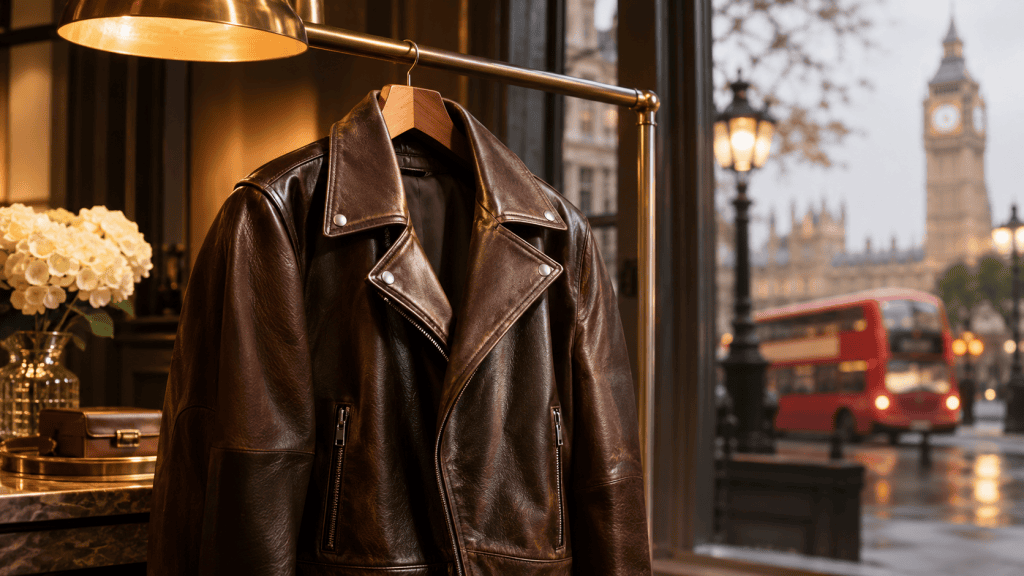
London is one of the most stylish cities in the world — and one of the hardest on the clothes you wear in it.
Unpredictable weather. Packed Tube carriages. Cobblestone streets. Salt from winter roads. Leather jackets, suede boots, leather handbags and gloves — these are investment pieces. The kind of thing you spend properly on because you know it’ll last. But only if you take care of it.
Most people in London don’t — not because they don’t care, but because nobody ever told them how.
This guide changes that. We’ve been cleaning, restoring and caring for London’s finest leather at Burlington’s for over 20 years. Here’s everything we know — from the basics you can do at home to the moment you should stop and call a professional.
“A leather jacket isn’t just clothing. In London, it’s armour. Treat it accordingly.”
Understanding Your Leather
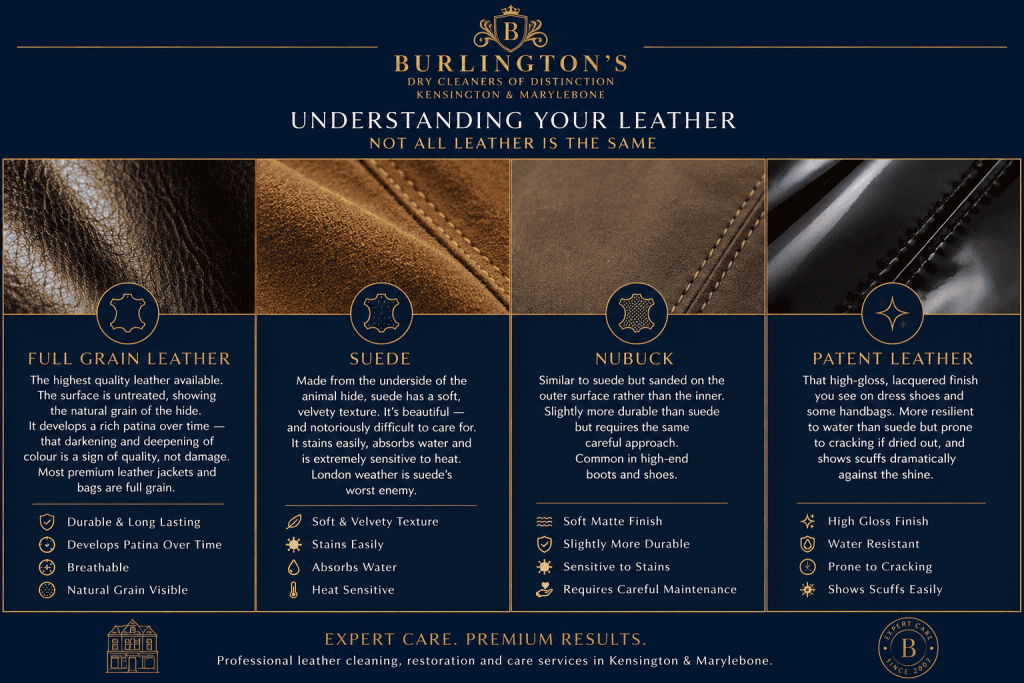
Not all leather is the same — and that matters enormously when it comes to cleaning and care. Using the wrong product on the wrong leather can cause permanent, irreversible damage.
Full Grain Leather
The highest quality leather available. The surface is untreated, showing the natural grain of the hide. It develops a rich patina over time — that darkening and deepening of colour is a sign of quality, not damage. Most premium leather jackets and bags are full grain.Suede
Made from the underside of the animal hide, suede has a soft, velvety texture. It’s beautiful — and notoriously difficult to care for. It stains easily, absorbs water and is extremely sensitive to heat. London weather is suede’s worst enemy.Nubuck
Similar to suede but sanded on the outer surface rather than the inner. Slightly more durable than suede but requires the same careful approach. Common in high-end boots and shoes.Patent Leather
That high-gloss, lacquered finish you see on dress shoes and some handbags. More resilient to water than suede but prone to cracking if dried out, and shows scuffs dramatically against the shine.
7 Leather Care Tips Every Londoner Should Know
These are the habits that separate a jacket that lasts a decade from one that’s finished in three winters.
Tip 1 — Act Fast When It Gets Wet
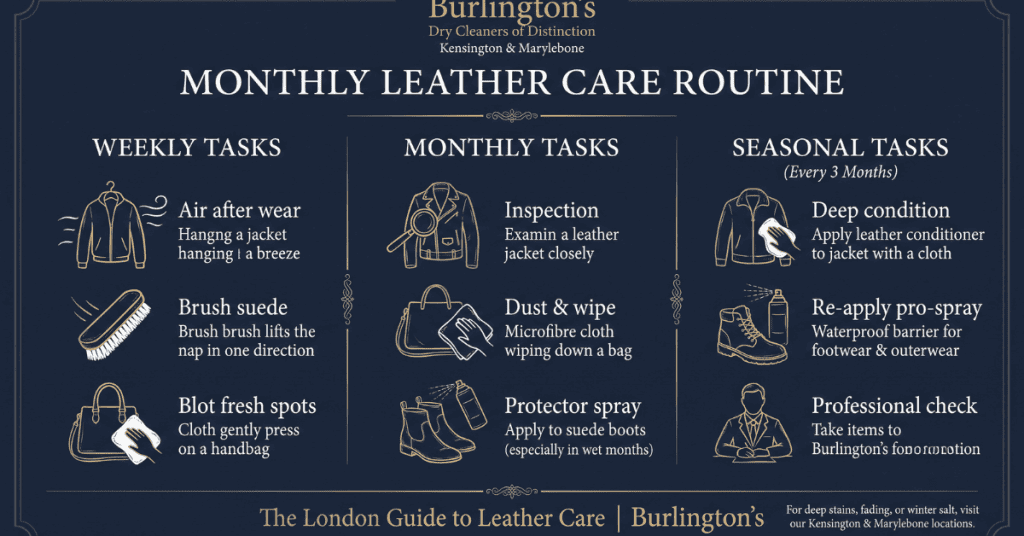
Pat dry immediately with a soft cloth. Never rub. Never use a hairdryer or place near a radiator — heat causes leather to crack and shrink permanently. Let it air dry naturally in a well-ventilated room away from direct sunlight.
Tip 2 — Condition Every 3 Months
Leather is skin — it dries out without moisture. Apply a specialist leather conditioner every 3 months using a soft cloth in circular motions. In London’s cold, dry winters this becomes even more important. Never use olive oil or household products as substitutes.
Tip 3 — Brush Suede in One Direction
Use a specialist suede brush — always stroke in one direction to lift the nap. Never brush back and forth. After rain, wait until completely dry before brushing. Brushing wet suede crushes the fibres permanently.
Tip 4 — Store on a Wide Padded Hanger
Never fold leather — it creates permanent creases. Always hang on a wide, padded hanger that supports the shoulders properly. Keep in a breathable garment bag — never sealed plastic, which traps moisture and causes mildew.
Tip 5 — Blot Stains, Never Rub
Rubbing a stain drives it deeper into the leather fibres. Always blot gently with a clean dry cloth, working from the outside of the stain inward. For grease stains, apply a small amount of talcum powder, leave overnight to absorb, then brush off gently.
Tip 6 — Protect Before You Wear
Apply a specialist leather protector spray before wearing suede or nubuck for the first time — and re-apply every season. This creates an invisible barrier against London rain, mud and salt. Absolute game-changer for suede boots on London streets.
Tip 7 — Rotate Your Leather Pieces
Don’t wear the same leather jacket every single day. Leather needs to rest and breathe between wears. Rotation also means each piece gets cleaned and conditioned regularly rather than being run into the ground.
The Do’s and Don’ts of Leather Care
✅ DO:
- Pat dry immediately after rain
- Use specialist leather products only
- Hang on wide padded hangers
- Condition every 3 months
- Blot stains gently from outside in
- Store in breathable garment bags
- Treat suede with protector spray before wearing
- Air leather after every wear
- Take to a professional when unsure
❌ DON’T:
- Use a hairdryer or radiator to dry leather
- Rub stains — always blot
- Use household cleaning products on leather
- Store in sealed plastic bags
- Fold leather — ever
- Use olive oil as a conditioner substitute
- Put suede in the washing machine
- Ignore stains and deal with it later
- Attempt home dry cleaning without expertise
When To Stop and Call a Professional
Home care only goes so far. There are moments when attempting to fix leather yourself makes things significantly worse — and considerably more expensive to repair.
At Burlington’s we see garments come in that have been damaged by well-meaning home attempts far more than we’d like. The earlier you bring something to us, the more we can do.
Bring it to Burlington’s if you notice:
⚠️ Deep stains that haven’t lifted after gentle blotting — wine, ink, oil, blood
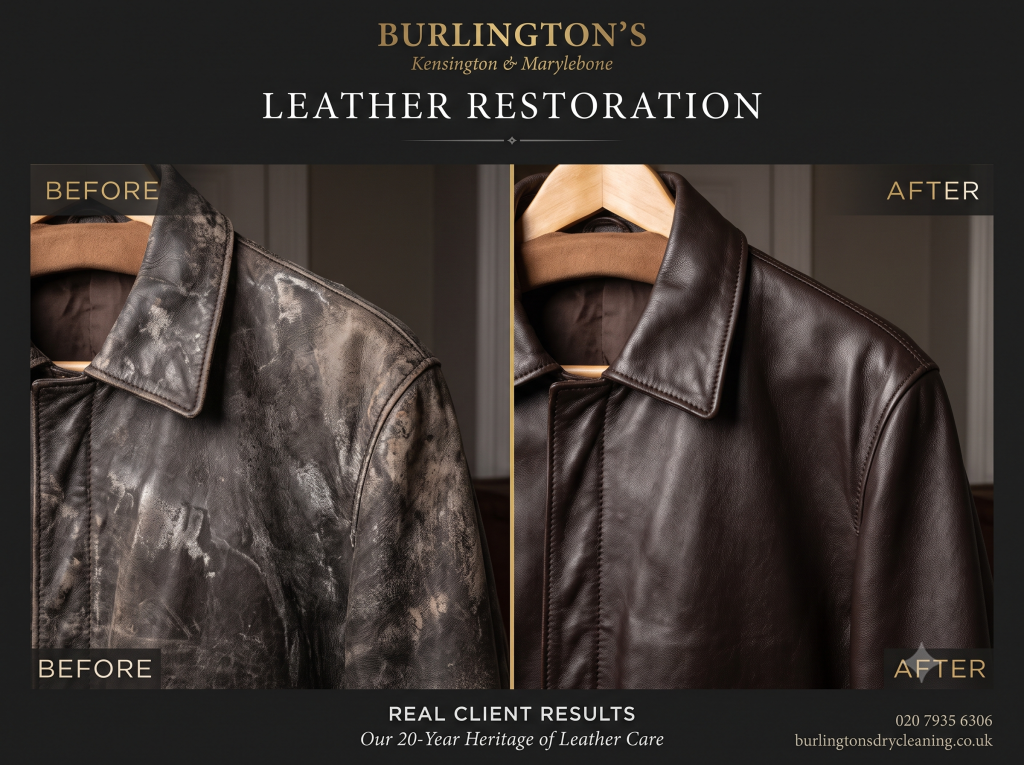
⚠️ Colour fading, discolouration or patchy areas where the dye has worn away
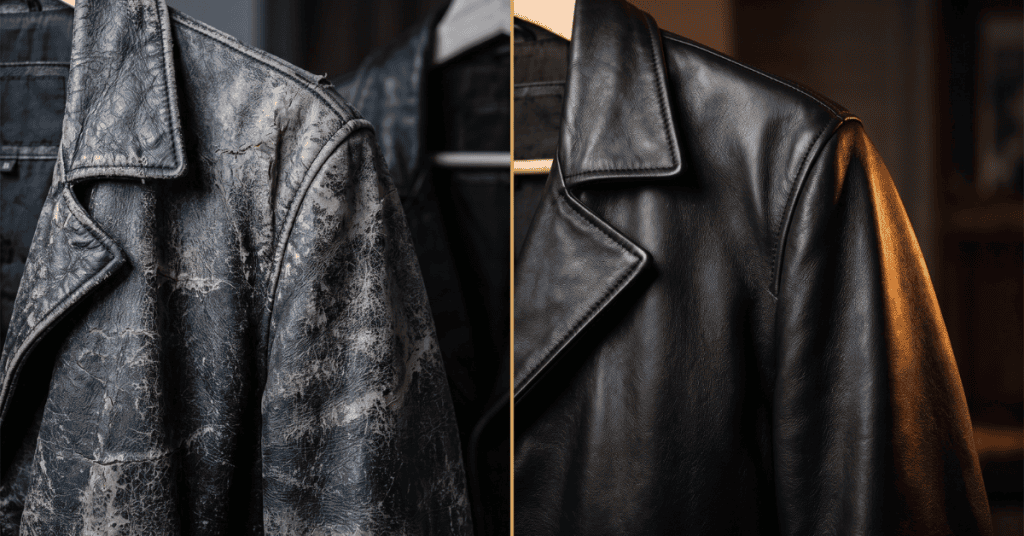
⚠️ Cracking or peeling on the leather surface — a sign of severe dryness
⚠️ White salt residue lines from winter roads — these require specialist removal
⚠️ Mould or mildew spots — green, black or white patches with a musty smell
⚠️ Persistent odour that won’t go after airing — sweat, smoke or damp
⚠️ Scuff marks on suede or nubuck that won’t brush out
⚠️ Water damage rings or tide marks left from rain or spillage
⚠️ Structural damage — torn seams, broken zips on leather garments
“The longer you wait, the harder the fix. A stain that would take us 30 minutes to treat today might be permanent in two weeks.”
The Unique Leather Challenges of Living in London
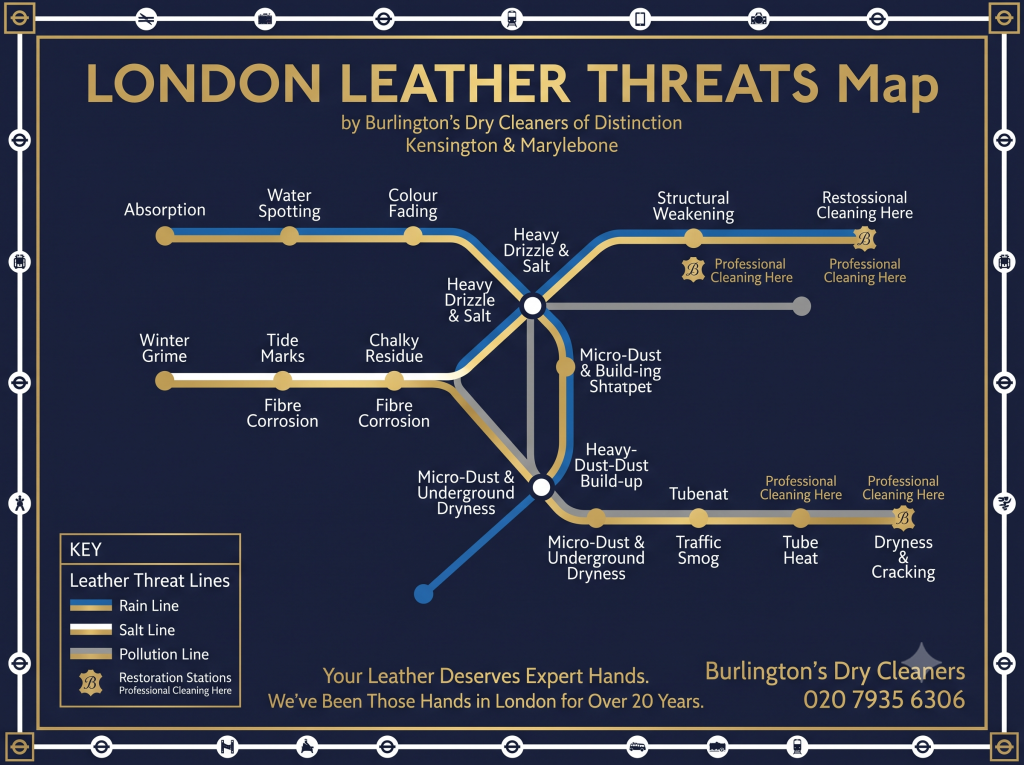
London isn’t like other cities. The combination of unpredictable rain, polluted air, packed public transport and cobbled streets creates a very specific set of challenges for leather care that most generic guides simply don’t address.
☔ The Rain Problem
London’s rain is persistent and unpredictable. Unlike a heavy downpour that passes, London drizzle soaks into suede slowly and evenly — meaning by the time you notice your boots are wet, they’ve already absorbed significant moisture. Always carry a compact umbrella and apply protector spray at the start of every season.🚇 The Tube Effect
The Underground is hot, dry and full of fine particulate pollution. That combination draws moisture out of leather and deposits grime into the grain — especially on lighter coloured pieces. After regular Tube commutes, your leather jacket is accumulating far more than you’d think. A professional clean once or twice a year is essential for regular commuters.🧂 Winter Salt Damage
London councils heavily salt roads and pavements from November through March. That salt splashes onto boots and shoe leather leaving distinctive white tide marks. These need specialist treatment — trying to remove salt marks with water at home can spread the damage and leave permanent discolouration.🌫️ London Air Pollution
Fine particles from London’s air settle into leather grain and suede fibres over time, causing gradual darkening and a dull, flat appearance. Regular professional cleaning removes this build-up and restores the natural look of the leather.
Leather Care Through London’s Seasons
🌸 Spring — The Salt Recovery
After winter, your leather boots and shoes need urgent attention. Salt residue from winter roads must be professionally treated before it causes permanent staining. Conditioning is essential — leather dries out badly during cold months. Spring is also the ideal time to get your winter leather jackets professionally cleaned before storing them for summer.☀️ Summer — Storage and Sun Protection
Direct sunlight fades and dries leather rapidly. If you’re not wearing your leather jacket through summer, store it properly — breathable garment bag, wide hanger, away from windows. Never leave leather in a hot car. Temperatures inside a parked car in London summer can reach 60°C and cause severe, irreversible cracking.🍂 Autumn — The Preparation Season
Before the first autumn rains hit, apply protector spray to all suede and leather items. This is the single most important preventative step of the year. Condition everything thoroughly. If you haven’t had pieces professionally cleaned since last winter — now is the time.❄️ Winter — Active Protection
The most damaging season for leather in London. Protect actively — re-apply waterproof spray monthly. Dry boots properly after every rain exposure. Check regularly for salt marks and bring in for treatment immediately when you spot them. Don’t let damage sit over winter — it compounds.
How Burlington’s Can Help
Over 20 years restoring and caring for London’s finest leather — from everyday jackets to heritage pieces. Whatever the damage, whatever the fabric, we’ll tell you honestly what we can do.
Our leather services include:
✅ Expert leather cleaning — deep professional clean, safe for all leather types
✅ Stain removal — grease, wine, ink, salt marks, mystery stains
✅ Colour restoration — faded, patchy or discoloured leather brought back to life
✅ Suede and nubuck specialist care — the most delicate leathers handled with precision
✅ Leather conditioning and protection — professional treatment, not just a product
✅ Bags and accessories — handbags, wallets, belts, gloves
✅ Free doorstep collection — we come to you, anywhere in London“Your leather deserves expert hands. We’ve been those hands in London for over 20 years.”
📍 Drop in: Kensington & Marylebone
📦 Free doorstep collection — book online
🌐 burlingtonsdrycleaning.co.uk
📞 020 7935 6306