The Complete Guide to Dry Cleaning in London | Burlingtons

If you have ever stood in front of your wardrobe holding a garment with a dry clean only label and wondered what that actually means, what it costs, whether you really need to do it or whether you could just wash it at home carefully this guide is for you.

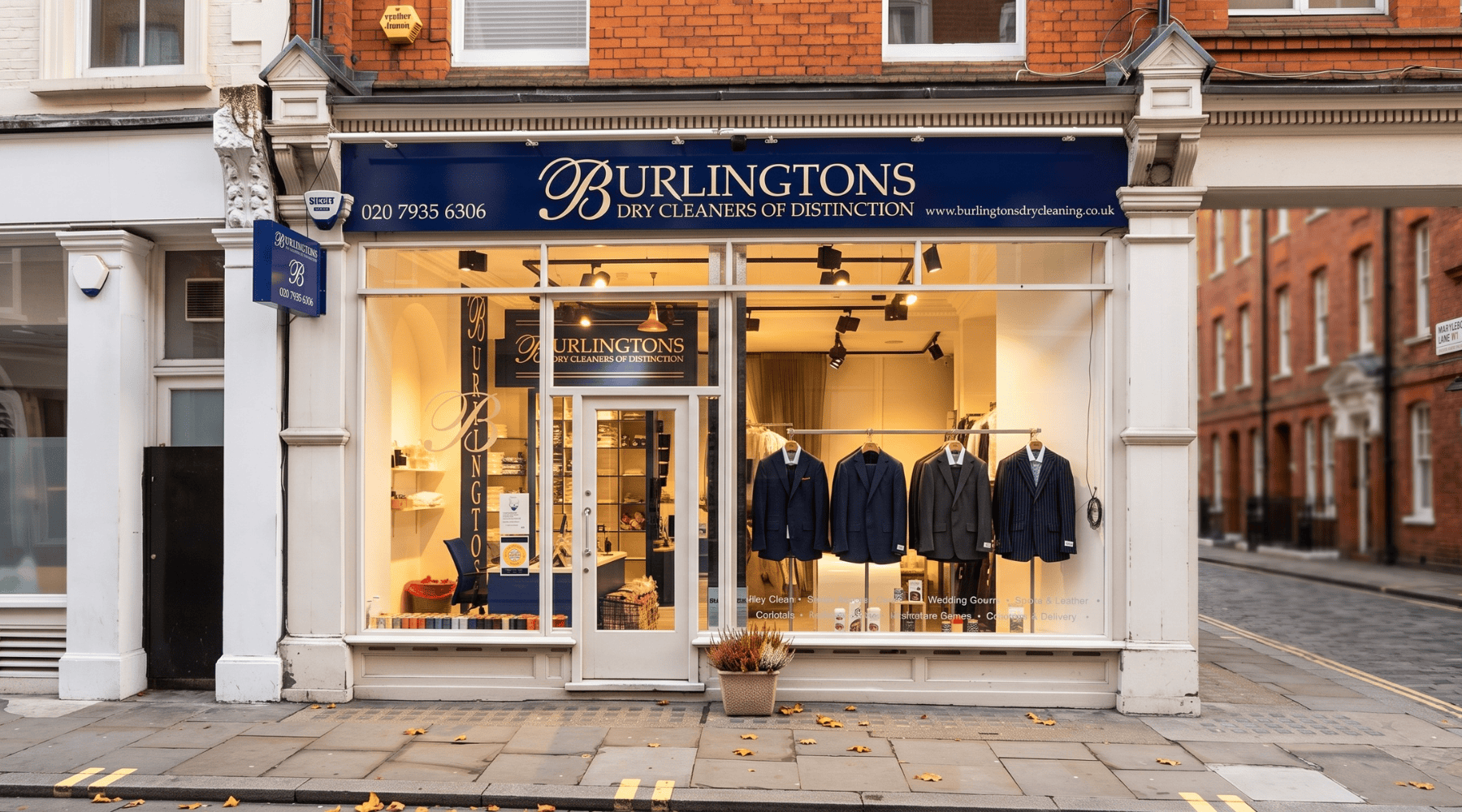
We have been dry cleaning professionally in London for over 20 years. From our branches on Kensington Church Street and Marylebone Lane we have cleaned tens of thousands of garments for Londoners across the city suits and coats, silk blouses and cashmere jumpers, wedding dresses and school uniforms, curtains and duvets. We know this subject inside out and we want to share that knowledge as clearly and honestly as possible.

This is not a marketing piece. It is a genuine guide to dry cleaning what it is, how it works, when you need it, when you do not, and how to find a dry cleaner in London that will take proper care of your clothes.

What Is Dry Cleaning and How Does It Actually Work?

The name dry cleaning is slightly misleading. The process is not entirely dry. What makes it different from conventional washing is that it uses a liquid chemical solvent rather than water as the primary cleaning agent. Because water is what causes most fabric damage shrinkage, distortion, colour bleeding and fibre breakdown using a solvent instead allows professional cleaners to safely clean garments that would be damaged or destroyed by conventional washing.

The traditional solvent used in dry cleaning was perchloroethylene, commonly known as perc. Most reputable London dry cleaners have moved away from perc in recent years due to environmental concerns and have switched to safer alternatives including hydrocarbon solvents and wet cleaning methods.

At Burlingtons we use Miele WetCare machines alongside traditional dry cleaning methods. Our Miele WetCare system is an eco-friendly professional wet cleaning process not to be confused with home machine washing. It uses specialist machines, professional detergents and precisely controlled mechanical action to safely clean garments that cannot tolerate conventional washing, using 30 percent less water and 50 percent less energy than standard methods. It is particularly effective for cashmere, silk, wool and structured garments.

The actual process involves placing garments in a professional cleaning machine where they are immersed in solvent or treated with the wet cleaning process, agitated gently to loosen soiling, rinsed, dried in a controlled environment and then pressed and finished by trained staff using professional equipment.

The finishing the pressing and steaming of a garment after cleaning is what gives professionally dry cleaned clothes that look and feel that home washing cannot replicate. A suit pressed by a Hoffman steam press, a shirt finished on a Sankosha shirt press, a coat steamed and blocked to its correct shape these are results that no domestic iron can achieve.

What Does Dry Clean Only Actually Mean?

When a care label says dry clean only it means the garment’s fabric, construction, lining, dye, beading or embellishment cannot reliably withstand water, heat and mechanical agitation. It is not a vague suggestion or a conservative over-caution by the manufacturer. It is a specific instruction based on the properties of the materials used.

Garments most commonly labelled dry clean only include structured suits and jackets, which contain interfacing and canvas that distort when wet. Formal coats and lined outerwear. Silk, chiffon and satin garments where water causes spotting and fibre damage. Heavily beaded or embellished pieces where water and agitation would loosen or damage the decoration. Pleated garments where pleats are heat-set and cannot be recreated at home. Tailored trousers and skirts with a full lining. Velvet and other pile fabrics where water causes crushing and distortion.

If a garment says dry clean only and you wash it at home, you are taking a risk that the manufacturer has specifically warned you against. Sometimes nothing happens. Sometimes particularly with structured, lined or delicate garments the damage is immediate, severe and irreversible.

What Can and Cannot Be Dry Cleaned?

Almost any garment can be professionally dry cleaned. The more relevant question is which garments need to be dry cleaned rather than washed at home, and which can safely be washed at home with care.

Garments that should always be dry cleaned include structured suits and jackets, formal coats and lined outerwear, silk blouses and dresses, satin and chiffon garments, velvet clothing, heavily beaded or embellished pieces, pleated formal trousers and skirts, and tailored garments with full linings.

Garments that can usually be washed at home with care include cotton t-shirts and casual shirts, denim jeans and casual trousers, cotton underwear and socks, bed linen and towels, and most casual knitwear labelled as machine washable.

Garments where professional cleaning is strongly recommended even if not labelled dry clean only include fine wool and cashmere knitwear, merino wool garments, silk at higher price points, structured trousers that need pressing to maintain their line, formal shirts that need professional finishing, and any garment with a stain that has already been through one home wash cycle.

There are very few garments that cannot be dry cleaned at all. Leather and suede require specialist leather cleaning rather than standard dry cleaning solvent. Some rubber and PVC items cannot tolerate the solvent. At Burlingtons we will always tell you honestly if a garment needs a different approach leather shoes and bags for example go through our specialist leather cleaning process rather than the standard dry cleaning machine.

How Much Does Dry Cleaning Cost in London?

This is one of the most searched questions on the topic and one that very few dry cleaning guides answer directly. Dry cleaning prices in London vary between providers and are not regulated, so there is a wide range across the market.

At Burlingtons our prices for the most common garments are as follows.

A two-piece suit is cleaned and pressed from £18. A jacket or blazer from £12. Trousers from £8.50. A formal dress from £14. A coat or overcoat from £16. A silk blouse from £10. A cashmere jumper from £12. A shirt cleaned and pressed from £4.50. A duvet cleaned from £22. A wedding dress from £85.

These are starting prices the final price depends on the garment’s size, fabric, level of soiling and any specific requirements. We always confirm the price before proceeding with any garment.

For a full price list visit burlingtonsdrycleaning.co.uk/price.

London dry cleaning prices are generally higher than in other parts of the country, reflecting the cost of operating in the city. However the price difference between a good quality dry cleaner and a budget option in London is not as large as many people assume and the difference in results and care can be significant.

How Long Does Dry Cleaning Take in London?

Standard dry cleaning turnaround at Burlingtons is two to three working days. This is typical for most quality dry cleaners in London.

If you need a garment more urgently we offer a same-day service for items dropped in before 9am, and a next-day service for items dropped in before 1pm at both our Kensington and Marylebone branches. Call ahead to confirm availability as same-day and next-day services are subject to capacity.

For wedding dresses, heavily stained garments and specialist restoration work, turnaround time may be longer we will always give you a clear timeframe before we begin.

If you use our free collection and delivery service, collection and return typically takes two to three working days from the collection date.

How Does Dry Cleaning Collection and Delivery Work in London?

Free collection and delivery is one of the most practical aspects of using Burlingtons for Londoners who are time-poor or who do not live or work close to one of our branches.

The process is straightforward. You book a collection online or by calling us on 020 7938 2988 for Kensington or 020 7935 6306 for Marylebone. You choose a collection time that suits you. Our driver collects your garments from your home or office. We clean and press everything professionally and return it to you next day or within your agreed timeframe.

We collect from Kensington W8, Notting Hill W11, Holland Park W11, Bayswater W2, South Kensington SW7, Earl’s Court SW5, Knightsbridge SW1X, Chelsea SW3, Marylebone W1U, Mayfair W1K, Baker Street NW1, Oxford Street W1, Regent’s Park NW1, Fitzrovia W1T, Paddington W2, St John’s Wood NW8 and all surrounding postcodes.

The minimum order for free collection is £20. There are no hidden charges or delivery fees. What you see on our price list is what you pay.

What Happens if a Garment Is Damaged During Dry Cleaning?

This is a question we are often asked and one that deserves a direct honest answer.

Reputable dry cleaners carry insurance for garments in their care. At Burlingtons every garment is assessed before cleaning and any existing damage, wear or delicate features are noted. If there is any question about whether a garment can safely withstand the cleaning process, we will tell you before we touch it.

In the very rare cases where something unexpected occurs during cleaning, we deal with it on a personal level. We contact the customer immediately, explain what happened honestly and work to find a fair resolution. We have been serving the Kensington and Marylebone communities for over 20 years. Our reputation is built on trust and we take it seriously.

What customers should know is that reputable dry cleaners will not accept liability for damage caused by pre-existing wear or weakness in a garment that was not visible before cleaning, or for damage to garments that were not correctly labelled by the manufacturer. If a dye runs because the manufacturer’s dye was not colourfast, that is not a result of incorrect cleaning.

The best way to protect yourself as a customer is to use a dry cleaner with a clear track record, to declare any existing damage or concerns when you drop items in, and to check garments carefully when you collect them before leaving the premises.

What Is the Difference Between Dry Cleaning and Laundry Service?

These are two distinct services and the difference matters for both the result and the price.

Dry cleaning uses chemical solvents and specialist professional equipment to clean garments that cannot be washed with water. The process is more expensive per item and takes more time. It is appropriate for structured, formal, delicate or dry clean only garments.

A laundry service sometimes called a service wash uses water, professional-grade detergents and commercial washing machines to clean everyday garments. The result is a properly washed and professionally finished item returned to you clean, pressed and ready to wear. It is more cost-effective for everyday items like shirts, t-shirts, casual trousers, bed linen and towels.

At Burlingtons we offer both services at both our Kensington and Marylebone branches. Our shirt service is particularly popular with London professionals shirts are collected, washed on Primus washers, finished on our Sankosha shirt press and returned hung, folded or boxed as preferred. Many of our customers use the laundry service for everyday items and dry cleaning for their formal wear, sending both together in the same collection.

How to Choose a Dry Cleaner in London

London has hundreds of dry cleaners ranging from large national chains to small independent shops. The quality and care varies significantly. Here is what to look for.

Look for a dry cleaner that is transparent about its cleaning methods. A good dry cleaner will tell you what process they use and why it is appropriate for your garment. Vague answers about chemicals or methods are a red flag.

Look for clear pricing available before you hand over your garments. Reputable dry cleaners do not hide their prices or give you a quote only after cleaning.

Look for staff who inspect and assess garments before accepting them. A dry cleaner who takes your garment without looking at it carefully has not noted existing damage and cannot be held accountable for pre-existing issues.

Look for evidence of proper equipment professional pressing equipment produces a finish that is visually distinct from home ironing. If the finished garments look no better than what you could do at home, the dry cleaner is not using professional finishing equipment.

Look for a clear returns policy and evidence of how they handle complaints. Reviews on Google are a useful guide look specifically for how the business responds to negative reviews.

Ask where the cleaning is done. Some dry cleaning shops are collection points only the actual cleaning is done at a central facility elsewhere. This is not necessarily a problem but it is worth knowing because it affects turnaround time and accountability.

How Often Should You Dry Clean Your Clothes?

This is one of the most common questions we receive and the honest answer is less often than most people think.

Over-dry-cleaning damages fabric fibres over time the cleaning process, however careful, does place some mechanical and chemical stress on garments. The goal should be to clean garments when they need it, not on a rigid schedule regardless of whether they are soiled.

For suits worn regularly in a London office environment, two to three dry cleans per year is appropriate. Between dry cleans, hang the suit after wearing, use a clothes brush to remove surface dust and air it overnight before putting it back in the wardrobe. Steam lightly if it needs refreshing.

For formal coats worn through a London winter, one to two cleans per year one at the start of winter and one before storing for summer is sufficient for most people.

For silk blouses, clean when soiled or when you notice an odour. Do not clean after every single wear if the garment has not been in contact with perspiration or food.

For cashmere and fine knitwear, once or twice per season depending on how frequently you wear it. Air between wears by laying flat or hanging briefly in a ventilated space.

For shirts worn against the skin, clean after every wear this applies whether you use our laundry service or wash at home.

Dry Cleaning in London What Makes It Different From the Rest of the UK

London presents specific dry cleaning challenges that do not exist to the same degree anywhere else in the country.

The weather is the first factor. London’s damp cold winters mean woollen coats, cashmere knitwear and suede boots get heavy regular use and are exposed to more moisture, salt and rain than in warmer or drier parts of the UK. Salt tide marks on leather and suede, rain damage on structured garments and mildew on stored items are all more common in London than elsewhere.

The lifestyle is the second factor. London professional life involves formal wear suits, structured jackets, tailored trousers being worn and put under pressure daily. Client meetings, evening events, networking, travel. Garments that in other parts of the country might only be worn occasionally are worn weekly in London and need professional care to maintain their appearance.

The cost of wardrobes is the third factor. In Kensington, Marylebone and the surrounding areas, wardrobes tend to include significant investment pieces quality suits, designer garments, luxury knitwear, fine silk. The cost of replacing a damaged garment in this context is significant. Professional dry cleaning is not an expense it is an investment in protecting what you already own.

Eco-Friendly Dry Cleaning in London

Environmental awareness around dry cleaning has increased significantly in recent years and rightly so. Traditional dry cleaning solvents, particularly perchloroethylene, have well-documented environmental and health concerns. Responsible dry cleaners have moved away from these solvents and adopted cleaner alternatives.

At Burlingtons we use Miele WetCare professional wet cleaning as our primary method for delicate garments. This system uses biodegradable detergents, no harsh chemical solvents and significantly less water and energy than both traditional dry cleaning and standard home washing. It is the most environmentally responsible professional cleaning method currently available and produces results that are genuinely superior to traditional dry cleaning for most garment types.

When choosing a dry cleaner in London, ask about their cleaning methods and solvents. A transparent, responsible dry cleaner will be happy to explain exactly what they use and why.

For most everyday garments cotton t-shirts, casual trousers, underwear, bed linen home washing is perfectly appropriate when done correctly at the right temperature. For structured suits and jackets, formal coats, silk, satin, cashmere, velvet and any garment labelled dry clean only, professional dry cleaning is necessary to maintain the garment’s structure, appearance and longevity. Attempting to home wash these items risks permanent damage that is far more expensive than the dry cleaning cost.

Check the care label first. A circle symbol means dry clean only. Beyond that, use common sense about the garment’s construction. If it is structured with interfacing, if it is fully lined, if it is made from silk, cashmere, velvet or satin, if it has fixed pleats or heavy embellishment dry clean. If it is casual cotton or machine-washable knitwear — home wash at the correct temperature and cycle.

Professional dry cleaning and stain treatment can remove most stains, particularly when garments are brought to us promptly before the stain has been set by heat or a previous wash cycle. Some stains — particularly those that have been through a tumble dryer, very old stains and certain dyes that have transferred onto fabric cannot be fully removed even with professional treatment. We will always tell you honestly before we begin whether we believe a stain can be removed and to what degree.

Traditional dry cleaning solvents are not appropriate for all materials leather, suede, and some rubberised fabrics require different specialist processes. At Burlingtons we assess every garment individually and use the most appropriate cleaning method for its specific fabric and construction. Our Miele WetCare system is used for delicate fabrics that would benefit from wet cleaning rather than solvent cleaning.

Tell them about any specific stains what the stain is, how old it is and whether it has already been through a wash. Point out any areas of existing damage, wear or delicacy such as loose buttons, delicate embellishments or areas where the fabric is thin. If you have a preference for how the garment is pressed or finished hung, folded, boxed let them know. The more information you give, the better the outcome.

Remove the plastic protective cover as soon as you get home leaving garments sealed in plastic long-term prevents fabrics from breathing and can trap moisture, leading to mildew and yellow staining over time. Hang structured garments on proper shaped hangers. Fold knitwear rather than hanging hanging wet or heavy knits stretches the shoulders. Store in a cool, dry, dark wardrobe away from direct sunlight which fades colours.

A faint chemical smell immediately after dry cleaning is normal and will dissipate within a few hours when the garment is aired. If the smell is very strong or persists for more than a day, it may indicate that the solvent was not fully removed during the finishing process. Air the garment thoroughly in a ventilated space. If the smell persists, contact your dry cleaner.

Home dry cleaning kits sold in supermarkets such as Dryel are not true dry cleaning. They are essentially a steam-based freshening treatment that can remove light odours and very minor surface soiling. They cannot remove stains, they cannot clean heavily soiled garments and they cannot provide the pressed finish of professional cleaning. They are useful for refreshing a garment between professional cleans but they are not a replacement for professional dry cleaning.

Look for dry cleaners with a clear track record evidenced by genuine Google reviews. Read how they respond to both positive and negative reviews — the response to negative reviews tells you a great deal about how a business handles problems. Ask about their cleaning methods, look for transparent pricing and choose a dry cleaner who takes time to inspect and assess your garments when you hand them over. A dry cleaner who accepts your items without looking at them carefully is not giving your clothes the attention they deserve.

Common Laundry Mistakes That Ruin Your Clothes And How to Fix Them

Laundry Mistakes That Damage Your Clothes — Expert Advice from a London Dry Cleaner

If you have ever pulled a favorite shirt out of the wash to find it shrunk, faded or misshapen, you are not alone. At our dry cleaning branches in Kensington and Marylebone we see the consequences of laundry mistakes every single week garments that have been washed at the wrong temperature, dried incorrectly or treated with the wrong products.

London’s climate makes this worse than most cities. The damp, cold winters mean clothes get washed far more frequently than in warmer parts of the country. The mud from parks like Holland Park, Regent’s Park and Kensington Gardens gets ground into fabrics. The salt from gritted pavements stains leather and wool. And the sheer pace of London life means most people are rushing through laundry without reading a single care label.

In this guide we share the most common laundry mistakes we see as professional cleaners, and exactly how to fix them or avoid them in the first place.

Washing Everything at 40 Degrees or Higher
This is the single most common laundry mistake we see in London. Most modern detergents work perfectly well at 30 degrees, and many fabrics wool, silk, cashmere, linen and delicate cotton blends should never go above 30 degrees. Washing at 40 or higher causes fibres to contract, colours to bleed and delicate weaves to break down permanently.

In London where many people live in flats with communal laundry rooms or small washing machines, the temptation is to wash everything together on the same cycle. Resist this. Sort your laundry by fabric type and temperature requirement, not just colour.

How to fix it check the care label on every garment before washing. A single wavy line under the wash symbol means delicate cycle. Two dots inside the symbol means 30 degrees maximum. When in doubt, wash cooler rather than hotter. You can never un-shrink a cashmere jumper.

Ignoring Care Labels
Care labels exist for a reason and yet most people cut them out or ignore them entirely. At Burlingtons we regularly receive garments for dry cleaning that have already been damaged by incorrect home washing — a silk blouse washed in the machine, a wool coat tumble dried, a linen suit washed at 60 degrees.
The symbols on care labels tell you exactly what the garment needs. A circle means dry clean only. A crossed-out tub means do not wash at home at all. A square with a circle inside means tumble dry is safe. An X through any symbol means do not do that.

How to fix it before you buy a garment, check the care label. If it says dry clean only and you are not prepared to bring it to a professional dry cleaner regularly, reconsider the purchase. If you already own it, bring it to us at our Kensington or Marylebone branch and we will take care of it properly.

Overloading the Washing Machine
A fully loaded washing machine does not clean properly. When clothes cannot move freely in the drum, detergent cannot rinse out fully, fabrics rub against each other causing pilling, and heavier items crush delicate ones. In London’s smaller flats where many people have compact washing machines, this is an especially common problem people try to do as few loads as possible and end up doing more harm than good.

How to fix it the drum should be no more than three quarters full. If you are washing heavy items like jeans, towels or bed linen, keep the load small. Run an extra spin cycle if you feel the load was too heavy.

Using Too Much Detergent
More detergent does not mean cleaner clothes. Excess detergent leaves residue on fabric fibres that attracts more dirt, makes fabrics feel stiff and can cause skin irritation particularly a problem in London where hard water already leaves mineral deposits on clothing. Over time, detergent build-up dulls colours and weakens fabric fibres.

How to fix it use the amount recommended on the detergent packaging for your load size and water hardness. London has hard water, which means detergent lathers less easily than in softer water areas but this does not mean you need to use more. In fact, a water softener tablet added to each wash can help detergent work more effectively at lower quantities.

Not Treating Stains Before Washing
Putting a stained garment straight into the washing machine without pre-treating the stain first is one of the most reliable ways to make that stain permanent. The heat of the wash sets many stains particularly oil, red wine, mud and coffee into the fabric fibres in a way that makes them almost impossible to remove afterwards.

London life brings specific stain challenges. Red wine at Notting Hill dinner parties. Coffee on the morning commute from Paddington. Mud from Kensington Gardens on weekend walks. Bike grease from cycling through Marylebone. These all need pre-treatment before the wash cycle.

How to fix it blot the stain immediately, never rub. Apply a stain pre-treatment product and leave it for at least 10 minutes before washing. For oil-based stains use washing up liquid as a first step. For red wine use cold water immediately never hot. For mud let it dry completely before brushing off, then pre-treat.

If a stain is on a delicate fabric or a garment you value, bring it to us as soon as possible. We have a much better chance of removing a fresh stain than one that has been set by a wash cycle. You can read more about stain removal on specific fabrics in our guide on how to clean leather shoes and remove salt marks, which covers similar pre-treatment principles.

Washing Dark Clothes Inside Out and Forgetting About It

Dark and bright coloured clothes fade significantly faster when washed right-side out. The agitation of the drum causes the outer surface of the fabric to wear and lose dye. Most people know they should turn dark clothes inside out but forget to do it in the rush of a busy London morning.

How to fix it make it a habit to turn dark jeans, black trousers, navy knitwear and coloured shirts inside out immediately when you take them off. Then they go straight into the laundry basket correctly and you do not have to think about it on wash day.

Tumble Drying Everything
The tumble dryer is convenient but it is one of the fastest ways to ruin good quality clothes. Heat shrinks natural fibres, breaks down elastane in stretch fabrics, causes wool to felt permanently and fades colours. In London’s damp climate the temptation to tumble dry is very high — there is rarely a warm dry day to air clothes outside, and flats are often too small to have clothes horses everywhere.

How to fix it reserve the tumble dryer for towels, bed linen and hardwearing cotton items. Knitwear, wool, silk, linen, delicate cotton and anything with elastane should be dried flat or on a hanger at room temperature. If you must use a tumble dryer for delicates, use the lowest heat setting and remove items while they are still slightly damp.

Drying Clothes on Radiators
This is extremely common in London flats where outdoor drying is not an option and space is limited. Drying clothes directly on radiators causes exactly the same damage as tumble drying at high heat shrinkage, distortion and breakdown of fibres. It also raises the humidity in your home significantly, which in a London flat can contribute to damp and mould problems.

How to fix it invest in a clothes horse and position it near a window or in a well-ventilated room. If you use a radiator, place the clothes horse in front of it rather than draping clothes directly on the radiator itself. This gives enough warmth to speed up drying without the direct heat damage.

Washing Wool and Cashmere in the Machine
Wool and cashmere are the garments we most frequently receive for restoration after incorrect home washing. Machine washing felts the fibres  causing them to lock together, shrink dramatically and lose their soft texture permanently. A cashmere jumper that cost several hundred pounds can be ruined beyond repair in a single machine cycle.

In London where quality knitwear is a wardrobe staple for the long damp winters, this is a particularly costly mistake. Brands like Johnstons of Elgin, N.Peal and Brora are popular in Kensington and Marylebone and all of their garments should be treated with care.

How to fix it hand wash in cool water with a specific wool or cashmere detergent, supporting the weight of the wet garment at all times, and dry flat on a towel away from heat. Or bring it to us. Our Miele WetCare eco-cleaning system at both our Kensington and Marylebone branches is specifically designed for delicate fabrics including cashmere and silk. It uses 30 percent less water and 50 percent less energy than standard washing, and is far gentler than any home machine cycle.

Washing Shirts on the Wrong Cycle
Most people wash their shirts on a standard cotton cycle which is often set at 40 degrees or higher with a fast spin. This causes collar and cuff fraying over time, colour fading and misshaping of the collar points. For London professionals who wear formal shirts regularly, this is an expensive problem.

How to fix it wash formal shirts at 30 degrees on a gentle cycle with a slow spin. Better still, bring them to us. Our professional shirt cleaning and pressing service at Kensington and Marylebone cleans shirts on Primus washers and finishes them on our Sankosha shirt pressing plant they come back hung, folded or boxed exactly as you prefer, with no fraying and perfect collar points.

Leaving Wet Clothes in the Machine
Leaving wet clothes sitting in the machine after the cycle ends even for just a few hours allows mildew to develop on the fabric. This causes a persistent musty smell that is very difficult to remove even after rewashing. In London’s damp climate where washing machines are often in dark cupboards with limited ventilation, this problem is worse than in drier climates.

How to fix it remove clothes from the machine as soon as the cycle ends and hang or lay them to dry immediately. If you use a timer function on your machine, set it so the cycle finishes at a time when you are home and able to deal with it straight away.

Not Cleaning Your Washing Machine
A dirty washing machine cannot clean your clothes properly. Detergent residue, limescale from London’s hard water and bacteria build up inside the drum, the rubber seal and the detergent drawer over time. This is what causes that musty smell on clothes even after washing the machine itself is the problem.

How to fix it run a hot empty cycle with a washing machine cleaner or two tablespoons of white vinegar and one tablespoon of bicarbonate of soda once a month. Wipe down the rubber seal after every wash and leave the door slightly open between washes to allow the drum to dry out.

Washing Items That Should Be Dry Cleaned
Some garments should simply never go in a washing machine. Structured suits and jackets lose their shape permanently when washed at home the interfacing and padding inside the jacket cannot withstand water and agitation. Pleated trousers lose their pleats. Lined skirts and dresses can shrink unevenly. Formal coats can never be properly reshaped at home after washing.

In London where a good suit or coat represents a significant wardrobe investment, this is a mistake worth avoiding. If the care label says dry clean only, it means it.

How to fix it check the label before washing anything structured. When in doubt, bring it to us. Our professional dry cleaning service at Kensington and Marylebone handles suits, jackets, coats, structured dresses and all formal wear with specialist solvents and expert pressing that home washing simply cannot replicate.

Mixing Heavily Soiled Items With Lightly Soiled Ones
Washing a heavily soiled item muddy sports kit, heavily stained work clothes  in the same load as lightly soiled delicates transfers dirt and bacteria from one item to another. The heavily soiled item also requires a higher temperature and more agitation than the delicate items can tolerate.

How to fix it sort your laundry into at least three groups. Heavily soiled and hardwearing items such as jeans, towels and sports kit. Lightly soiled everyday items such as t-shirts and underwear. Delicates such as silk, wool, knitwear and formal wear.

When to Stop Washing at Home and Call a Professional
Some laundry problems are beyond what a home washing machine can solve. If a garment has a complex stain that has already been through one wash cycle, if it is a structured or lined garment that has distorted, if it is a delicate fabric like cashmere or silk that needs careful handling, or if it is a formal item like a suit or coat that needs professional pressing these are all situations where bringing it to a professional is the right decision.

At Burlingtons we offer free collection and next-day delivery across Kensington W8, Marylebone W1U, Mayfair, Notting Hill, Baker Street, Oxford Street, Chelsea, South Kensington, Paddington and all surrounding London postcodes. Minimum order just £20.

How Much Does Dry Cleaning Cost in London?

best laundry in london
How Much Does Dry Cleaning Cost in London? | Burlingtons

How Much Does Dry Cleaning Cost in London?

A no-nonsense price guide — every service, every category, real prices from our Kensington & Marylebone stores.

📍 Kensington & Marylebone 🕐 Updated July 2026 ⏱ 4 min read
“How much will it cost?” — it’s the first thing most Londoners ask before handing over their favourite blazer or that dress they paid way too much for. Fair question. Here’s the full answer.

Dry cleaning prices in London vary wildly — from a fiver for a shirt to £150+ for a wedding gown. The difference comes down to garment type, fabric, cleaning method, and whether you go standard or opt for our eco-friendly Gold service. Below are real prices from Burlingtons, so you know exactly what to expect before you walk through the door.


Browse Prices by Service

Select a category below to explore our full price list — standard and ECO Gold service side by side.

From your Monday morning suit to that ski jacket you only wear once a year — here’s what gents’ dry cleaning costs at Burlingtons.

ItemStandardECO Gold +40%
2 PC Suit£24.00£33.60
2 PC Evening Suit£34.50£48.30
Jacket£15.00£21.00
Trousers£12.00£16.80
Knitwear£12.50£17.50
Coat (3/4 Length)£19.50£27.30
Coat (Full)£30.50£42.70
Overcoat / Raincoat£48.50£67.90
Shirt£12.50£17.50
Tie£14.50£20.30
Waistcoat£15.00£21.00
Ski Suit£54.50£76.30
Ski Jump Suit£82.50£115.50
🌿
What is ECO Gold Service? Our Miele WetCare® system uses 30% less water and up to 50% less energy with zero harsh solvents. Ideal for delicate fabrics and those who want a greener clean.

From a silk blouse to a full wedding gown — every ladieswear garment gets expert hand-finishing and quality control at every stage.

ItemStandardECO Gold +40%
Dress£24.50£34.30
Cocktail Dress£40.50£56.70
Evening Dress£91.00£127.40
2 PC Suit£24.00£33.60
Jacket£15.00£21.00
Trousers£12.00£16.80
Skirt£12.00£16.80
Blouse£15.00£21.00
Knitwear£12.00£17.50
Scarf£10.50£14.70
Pashmina / Shawl£14.00£19.60
Top£15.00£21.00
Wedding Dress£150.00£210.00
💍
Wedding dress? We offer a full bespoke cleaning and preservation service. Minor repairs are included in the price. Call ahead for a personalised quote.

Every shirt is pre-spotted individually, then finished on our Sankosha Shirt Finishing Plant for that crisp, professionally pressed result Londoners love.

ItemStandardECO Gold +40%
Shirt (Hanging)£5.50£7.70
Shirt (Folded)£6.50£9.10
Ladies Shirt£10.95£15.33
Dress Shirt (Hanging)£15.00£21.00
Dress Shirt (Folded)£15.00£21.00
Night Shirt£10.95£15.33
Bag of Laundry (Wash & Fold)£30.00£42.00
👔
Wash & Fold bag service — great value. Sorted by light/dark, washed at the correct temperature, tumble dried and neatly folded. Just £30 per bag for busy Londoners.

Duvets, bed sheets, table linens — all laundered with Primus washers then pressed on commercial linen rollers for a hotel-quality finish every time.

ItemStandardECO Gold +40%
Sheet Single (Fitted)£10.50£14.70
Sheet Double (Fitted)£11.50£15.40
Sheet King (Fitted)£12.00£16.80
Sheet Super King (Fitted)£12.50£17.50
Duvet Cover Single£17.50£24.50
Duvet Cover Double£19.50£25.20
Duvet Cover King£21.50£30.10
Duvet Cover Super King£26.00£36.40
Pillow Case£6.50£9.10
Duvet£30.00£42.00
Pillow£19.50£27.30
Blanket£18.50£25.90
Bed Spread£30.00£42.00
Mattress Topper£26.50£37.10
Table Cloth£16.50£23.10
Napkins£5.00£7.00

Suede and leather need specialist care — the wrong approach can permanently damage the material. Our craftsmen rejuvenate colour, texture, and finish.

ItemStandardECO Gold +40%
Jacket£93.50£130.90
Skirt£65.50£91.70
Trousers£71.50£100.10
Shirt£35.00
Coat (1/2 Length)£120.00
Coat (Long)£165.00£231.00
🧥
Worth every penny. A quality leather jacket costs £300–£1,000+. Professional cleaning at £93.50 protects that investment and adds years to its life.

From stiletto heel replacements to full sole restorations — we also handle handbag and suitcase repairs. Give your favourite pair a new lease of life.

ItemFromECO Gold +40%
Gentlemen
Half Soles Leather£30.00£42.00
Half Soles Rubber£40.00£56.00
Long Sole & Heel£70.00£98.00
Stick A Sole£90.00£126.00
Heels£35.00£49.00
Ladies
Half Soles Leather£30.00£42.00
Half Soles Rubber£40.00£56.00
Heels – Stilettos£25.00£35.00

Over 40 years of in-house tailoring expertise. Whether it’s taking in a waist or replacing a zip, our tailor handles it all under one roof.

AlterationFromECO Gold +40%
Trousers Lengthen / Shorten£44.50£62.30
Trousers Waist Alteration£27.00
Trousers Zip£40.50£56.70
Jacket Sleeves£29.95
Jacket Lengthen / Shorten£49.50
Skirt Waist Adjustment£27.00
Skirt Lengthen / Shorten£44.50£62.30
🪡
Combine & save a trip. Drop off for both dry cleaning and alterations in one visit. Everything handled in-house — no separate tailor needed.

Curtains, rugs, sofa covers and more — we clean household textiles that most dry cleaners won’t touch. Call either store for a curtain or rug estimate.

ItemFromECO Gold +40%
CurtainsCall store for estimate
Net CurtainsCall store for estimate
Take Down & Re-HangCall store for estimate
RugsCall store for estimate
Sofa Covers£30.00£42.00
📞
Curtains and rugs vary by size. Pop in or call for a quick, no-obligation quote. Kensington: 020 7938 2988  ·  Marylebone: 020 7935 6306

Is Professional Dry Cleaning Worth It?

For the right garments, absolutely. Here’s the honest comparison.

✕ Skip Professional Cleaning

  • Home washing shrinks or warps delicate fabrics
  • Stubborn stains set permanently
  • Colours fade faster with wrong detergents
  • Garment loses shape and structure over time
  • Expensive pieces need replacing sooner

✓ Use Burlingtons

  • Expert pre-spotting removes tough stains
  • Fabric structure and colour fully preserved
  • Hand-finished on Hoffman pressers
  • ECO option — kinder to clothes & planet
  • Clothes last longer, saving money long term

5 Ways to Keep Your Bill Down

Smart tips from 40+ years of London garment care.

01

Batch Your Items

Free pickup and delivery starts at a minimum £30 order. Bundle a few items together to hit that threshold and save on trips.

02

Don’t Over-Clean

Suits don’t need cleaning after every wear. Air them out, brush them down, and dry clean every 3–4 wears when genuinely needed.

03

Act on Stains Fast

The sooner you bring in a stained garment, the easier and cheaper it is to treat. Old, set stains require far more intensive work.

04

Use the Bag Service

For everyday laundry, the Wash & Fold bag service at £30 a bag is brilliant value. Much cheaper than item-by-item for casual clothing.

05

Combine Services

Drop off items for both dry cleaning and alterations in one visit. One trip, one collection — everything done under one roof.

Need It Back Same Day?

Drop off before 12pm and collect the same evening. Burlingtons offer a same-day express service at both Kensington and Marylebone stores.

Ready to Book?

Drop in, call ahead, or book a free pickup online. We serve Kensington, Marylebone, and surrounding areas across London.

📍 Kensington: 020 7938 2988 📍 Marylebone: 020 7935 6306

A suit dry clean at Burlingtons starts from £24.00 for a 2-piece standard service, or £33.60 for the ECO Gold service. Evening suits start from £34.50. Prices vary depending on fabric and any additional treatments required.

Wedding dress dry cleaning at Burlingtons starts from £150.00 for standard service and £210.00 for ECO Gold. The service includes minor repairs and a full bespoke cleaning and preservation treatment. We recommend calling ahead for a personalised quote.

Yes. Burlingtons offer free collection and delivery across Kensington, Marylebone, and surrounding London areas. A minimum order of £30 applies for the free pickup and delivery service. You can book online at burlingtonsdrycleaning.co.uk/your-order/

The standard service uses traditional dry cleaning methods for effective garment care. The ECO Gold service uses Miele WetCare® technology 30% less water, up to 50% less energy, and zero harsh chemical solvents. ECO Gold is priced at approximately 40% above standard rates and is ideal for delicate, luxury, or designer garments.

At Burlingtons, shirt laundry starts from just £5.50 for a standard shirt on a hanger, or £6.50 folded. Every shirt is individually pre-spotted and finished on a professional Sankosha Shirt Finishing Plant for a crisp, hotel-quality result.

Yes. Burlingtons offer a same-day express dry cleaning service at both the Kensington and Marylebone stores. Simply drop off your garment before 12pm and collect the same evening.

Leather and suede cleaning at Burlingtons starts from £35.00 for a shirt and £93.50 for a jacket. Long coats start from £165.00. Specialist care is used to rejuvenate colour, texture, and finish without damaging the material.